
Choosing new flooring is exciting, but it’s also a decision many homeowners later wish they’d thought through more carefully. Flooring is a long-term investment and small misjudgements can quickly turn into daily frustrations.
Based on common experiences, here are some of the flooring choices homeowners most often regret – and how to avoid making the same mistakes.
Prioritising Looks Over Practicality
One of the biggest regrets comes from choosing flooring purely based on appearance. While a pale wood finish or high-gloss surface may look stunning in a showroom, it doesn’t always hold up well in everyday life.
Light floors can show dirt and scuffs far more easily, while glossy finishes may highlight scratches. Before committing, think honestly about how the space will be used and whether the flooring will still look good after months of foot traffic.
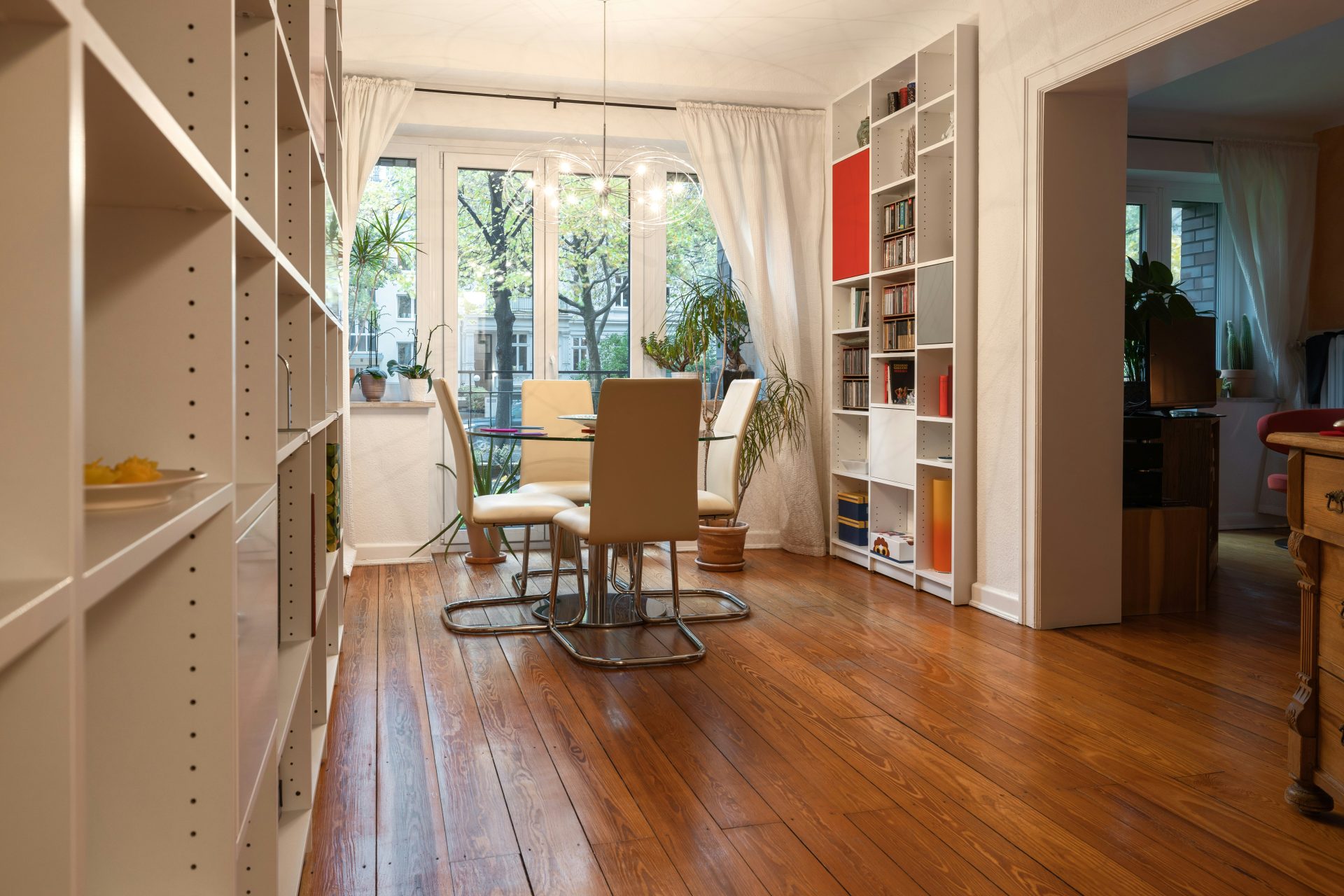
Ignoring the Room’s Purpose
Another common mistake is using the same flooring throughout the entire home without considering each room’s needs. Kitchens, bathrooms and hallways experience more moisture and wear than bedrooms or living rooms.
For example, installing flooring that isn’t water-resistant in a kitchen or hallway can lead to swelling, lifting or damage over time. Choosing materials like LVT or vinyl in high-risk areas helps prevent these issues and extends the life of your floors.
Underestimating Noise and Comfort
Hard flooring can look fantastic but many homeowners regret not considering how it sounds and feels underfoot. Without proper underlay, footsteps can echo and rooms may feel colder or less comfortable.
This is particularly noticeable in upstairs rooms or open-plan spaces. Factoring in good-quality underlay and thinking about acoustics early on can make a huge difference to everyday comfort.
Choosing Trendy Designs Without Thinking Long-Term
Flooring trends come and go and what feels stylish today may feel dated in a few years. Some homeowners regret choosing bold patterns or extreme colours that limit future décor changes.
A safer approach is to choose a timeless base and express trends through furnishings, rugs or accessories. Neutral tones and classic finishes offer flexibility and longevity.
Trying to Cut Costs in the Wrong Places
Budget is always a consideration but going for the cheapest option available often leads to disappointment. Lower-quality flooring can wear quickly, fade or require replacement sooner than expected.
Instead of focusing purely on upfront cost, consider long-term value. Durable, well-chosen flooring often proves more cost-effective over time.
How to Avoid Regret
The key to avoiding flooring regret is planning, honesty and expert advice. Thinking about lifestyle, room use and long-term needs will help you choose flooring you’ll be happy with for years to come.